Trump Administration Restores Broad U.S. Import Tariffs on 60 Trading Partners Over Forced Labor Concerns
The Trump administration has introduced new tariffs of 10% and 12.5% on imports from 60 trading partners, citing inadequate enforcement of forced labor regulations. The move replaces the expired temporary global tariff while covering nearly all U.S. imports.


Trump Administration Introduces New Tariffs on Global Imports
The Trump administration has announced a new round of import tariffs affecting goods from 60 trading partners, including the European Union, China, Vietnam, Japan, South Korea, and several other major economies.
The new measures took effect immediately after the expiration of the temporary 10% global tariff that had been in place for the past 150 days. According to the administration, the updated duties are designed to address concerns over forced labor practices in global supply chains.
Tariff Rates and Legal Authority
The tariffs impose rates of either 10% or 12.5%, depending on the country and existing trade arrangements.
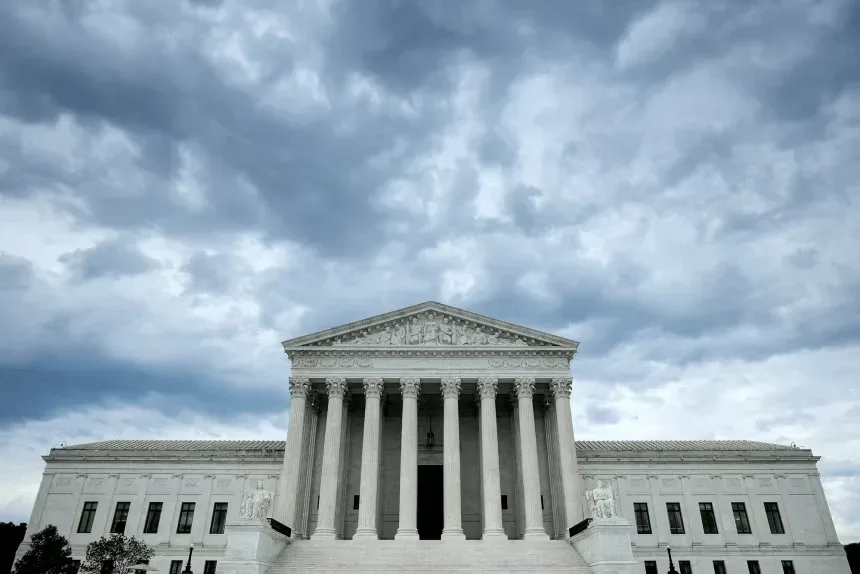
Unlike the previous reciprocal tariffs that were struck down earlier this year by the U.S. Supreme Court, the latest measures are implemented under Section 301 of the Trade Act of 1974, a legal framework that allows the United States to respond to unfair foreign trade practices.
Officials believe this legal approach provides a stronger foundation against future court challenges.
Coverage of U.S. Imports
The new tariffs apply to approximately 99.4% of all U.S. imports, making them one of the broadest trade actions in recent years.
However, several categories of products remain exempt, including:
- Oil and natural gas
- Fertilizers
- Selected food products
- Critical minerals
- Aircraft and aircraft components
- Goods already covered by Section 232 national security tariffs, such as steel, aluminum, copper, and automobiles
- Qualifying products traded under the U.S.–Mexico–Canada Agreement (USMCA)
Goods already in transit before the implementation deadline are temporarily exempt until July 28.
Countries Affected
A number of countries, including Canada, Mexico, India, Malaysia, Indonesia, Bangladesh, Pakistan, and the United Kingdom, face a 10% tariff.
Meanwhile, countries including China, Vietnam, and dozens of others are subject to the higher 12.5% rate.
For the European Union, Japan, South Korea, Taiwan, and Switzerland, the combined effect of the new duties and existing most-favored-nation tariff rates results in overall import tariffs ranging between 10% and 12.5%.
White House Position
U.S. Trade Representative Jamieson Greer said the action is intended to encourage stronger enforcement of forced labor bans around the world.
According to the administration, the United States has maintained strict restrictions on goods produced with forced labor for decades and believes many trading partners have failed to enforce similar standards, creating unfair competitive advantages.
Officials also emphasized that the policy reflects bipartisan concerns in Congress regarding forced labor within international supply chains.
International Response
Several governments criticized the new tariffs shortly after the announcement.
European Union officials questioned the administration's justification, arguing that European labor protections are among the strongest globally.
Australia, Brazil, and Norway also expressed opposition, describing the tariffs as unnecessary or lacking sufficient justification. Canada indicated it would continue discussions with Washington while seeking a constructive resolution.
Economic Outlook
Trade analysts expect the new tariffs to maintain a broad baseline level of import duties across most products entering the United States.
Because the measures rely on Section 301 authority instead of emergency powers, legal experts believe they may prove more resilient if challenged in court.
Businesses involved in international trade are expected to closely monitor the policy's impact on supply chains, production costs, and global commerce over the coming months.
Conclusion
The latest tariff package marks another significant step in the Trump administration's effort to reshape U.S. trade policy. By targeting imports from a wide range of trading partners under forced labor provisions, the administration aims to strengthen labor standards while preserving a broad tariff structure on foreign goods. The policy is expected to remain a major topic in international trade discussions as affected countries evaluate potential responses.
The conversation
A fresh perspective starts with a thoughtful conversation.
Read and join the conversation