
Southern Europe Faces Escalating Crisis as Record Heat Fuels Deadly Wildfires
Extreme heat sweeping across Southern Europe is driving devastating wildfires, disrupting agriculture, straining power infrastructure, and raising new public health concerns as climate risks continue to intensify.


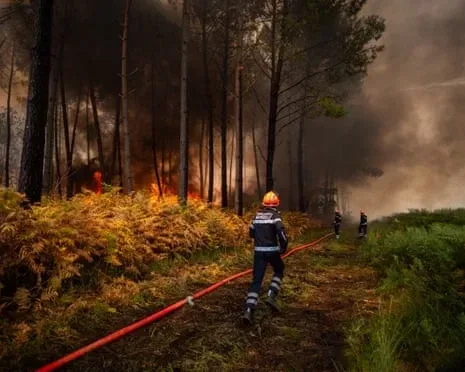
Southern Europe Faces Escalating Crisis as Record Heat Fuels Deadly Wildfires
Southern Europe is grappling with a growing climate emergency as relentless heatwaves continue to ignite massive wildfires, overwhelm emergency services, and disrupt daily life across several countries. Scientists warn that the combination of prolonged drought and unusually high temperatures is creating conditions that are becoming increasingly difficult to manage.
Spain has been hit particularly hard after a fast-moving wildfire near the Mediterranean city of Almería claimed at least 12 lives. Regional authorities said nearly 20 people remain missing, while several others suffered severe burn injuries. The incident marks Europe's deadliest wildfire so far this year and highlights the increasing danger posed by extreme summer weather.
The crisis extends well beyond Spain. France has battled multiple large-scale fires this week, including one in the Pyrenees that forced approximately 12,000 residents to evacuate. Meanwhile, Portugal continues to fight a major wildfire in its central region, with satellite imagery showing smoke drifting hundreds of miles over the Atlantic Ocean.
Although wildfires have long been part of Mediterranean summers, researchers say today's fires are arriving earlier, spreading faster, and burning more intensely than in previous decades.
An unusually wet winter encouraged dense vegetation growth across France and Spain. Once consecutive heatwaves pushed temperatures into the upper 90s Fahrenheit (mid-to-high 30s Celsius), much of that vegetation dried out, creating ideal fuel for rapidly expanding fires.
Data from the European Forest Fire Information System (EFFIS) illustrates the scale of the problem. Since the beginning of the year, the European Union has recorded more than 300 wildfires exceeding 30 hectares, nearly twice the number reported during the same period last year. Burned land has already surpassed 160,000 hectares—far above the long-term seasonal average.
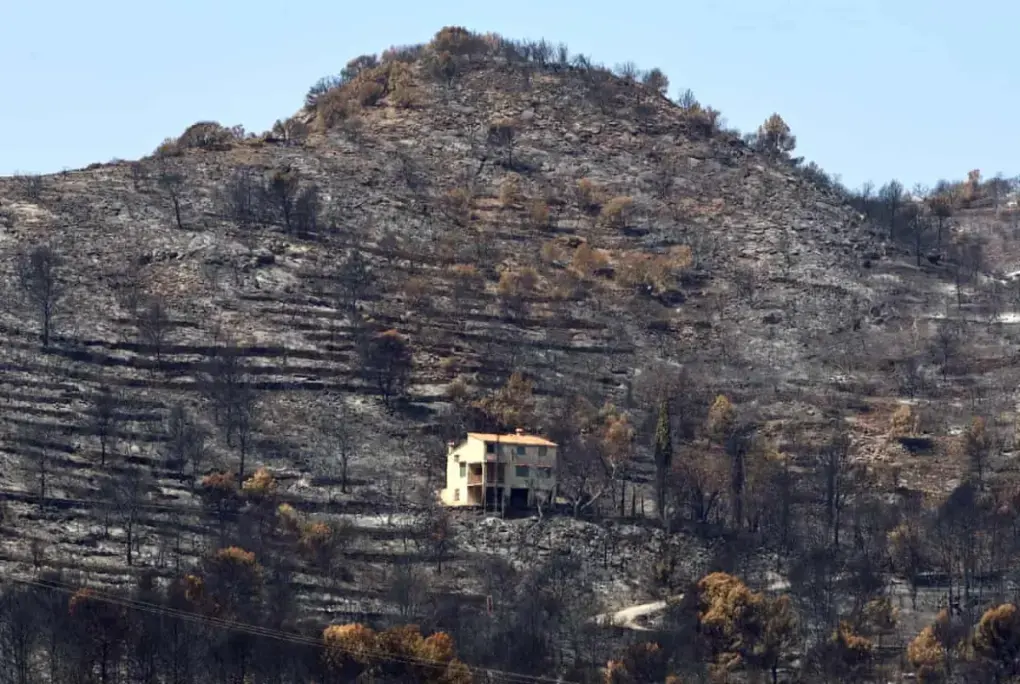
Environmental experts caution that the destruction goes far beyond burned forests. Large wildfires release enormous amounts of carbon dioxide and hazardous particulate matter into the atmosphere, worsening air quality and increasing health risks for nearby communities.
Previous research found that smoke from major fires across Spain and Portugal last summer contributed to more than 2,000 premature deaths. Scientists also observed an increase in overnight wildfire activity, making evacuation efforts significantly more dangerous.
Researchers say another contributing factor is the continued decline of rural populations. As farmland and forests receive less maintenance, dry vegetation accumulates, allowing fires to spread more easily and with greater intensity.
Extreme heat is also creating serious challenges outside wildfire zones.
France experienced one of its hottest periods on record in late June, with more than 2,000 heat-related deaths reported during a single week. Health officials noted a significant rise in fatalities, particularly among adults over the age of 45, as temperatures reached historic highs.
The prolonged heat has driven increased demand for air conditioning across the country. While cooling systems help reduce heat exposure indoors, they also release additional heat into urban environments, reinforcing the so-called "urban heat island" effect and making nighttime temperatures even more uncomfortable.
Critical infrastructure is also feeling the pressure. Several French nuclear power plants have reduced electricity production after rising river temperatures limited the availability of cooling water. Operators have warned that similar disruptions could become more common if heatwaves continue to intensify.
Agriculture has likewise suffered significant setbacks. European grain producers have lowered forecasts for corn, wheat, and barley production after prolonged hot and dry weather damaged crops throughout the growing season. France is now expected to record one of its weakest corn harvests in nearly two decades.
Health experts are also monitoring the spread of mosquito-borne illnesses as warmer temperatures allow disease-carrying insects to expand into regions that were previously unaffected. A recent Italian study found that the risk of dengue outbreaks across Europe has increased substantially over the past decade, reflecting how climate change is reshaping public health threats.
Climate scientists warn that the current summer offers another stark reminder that rising global temperatures are amplifying the frequency and severity of extreme weather events. Without stronger adaptation measures and long-term climate action, Southern Europe is expected to face increasingly destructive heatwaves and wildfire seasons in the years ahead.
The conversation
Be the first to start the conversation.


Sign in to share your thoughts with the DailyCoreNews community.