

Pentagon Updates Casualty Figures
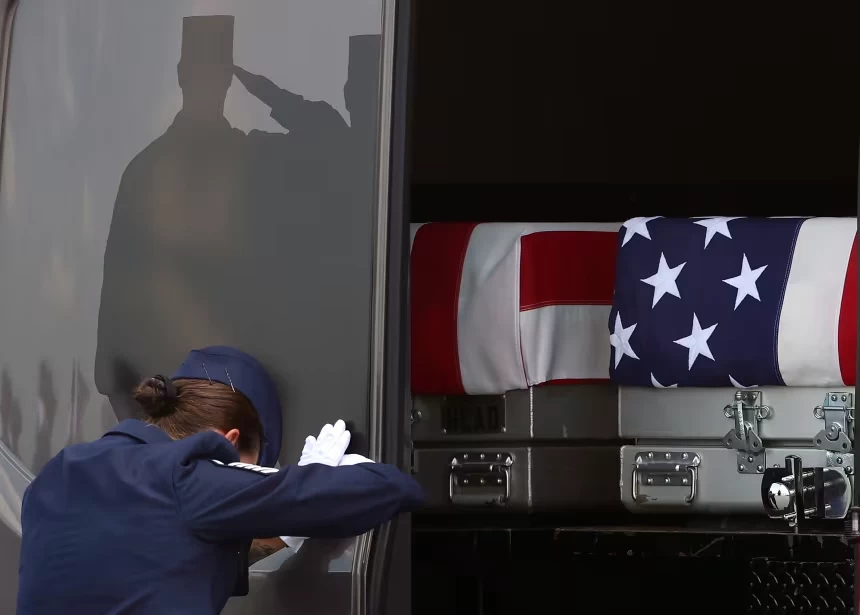
The Pentagon has released updated casualty figures for the ongoing conflict with Iran, significantly increasing the number of U.S. service members reported wounded and restoring several fatalities that had temporarily disappeared from its public database.
According to the latest Defense Department data, 18 U.S. troops have been killed and 624 have been wounded since military operations against Iran began on February 28. The revised injury total represents a sharp increase from previously reported figures.
The update follows days of public scrutiny over inconsistencies in the Pentagon's online casualty reporting system.
Casualty Database Revised
The changes were made through the Defense Casualty Analysis System (DCAS), the Pentagon's official database for tracking military casualties.
Officials added more than 140 previously unreported wounded personnel and reinstated four soldiers whose deaths had temporarily disappeared from the public records after Iranian attacks last week.
The Pentagon also introduced a new reporting category labeled "Overseas Operations," which began tracking casualties from July 7 onward.
However, the department has not publicly explained which specific military operations are included under the new category.
Questions Over Transparency
The revisions have fueled concerns among lawmakers and media organizations about the accuracy and transparency of casualty reporting.
Earlier this week, casualty totals unexpectedly declined even as fighting continued, prompting questions about whether the public was receiving a complete picture of the conflict.
Defense officials previously attributed the discrepancies to temporary technical issues affecting the online database, but have provided few additional details regarding the reporting changes.
Congress Seeks Answers
The updated figures have intensified congressional scrutiny.
Members of the Senate Armed Services Committee have requested explanations from Defense Secretary Pete Hegseth, asking why casualty numbers changed repeatedly during active military operations.
Several lawmakers said accurate casualty reporting is essential for maintaining public trust and ensuring proper congressional oversight during wartime.
War Powers Debate Continues
The casualty update comes amid an ongoing legal and political debate surrounding the Trump administration's handling of the conflict.
President Donald Trump previously informed Congress that a new phase of military operations against Iran began on July 7, a position that administration officials argue effectively restarted the timeline established under the War Powers Act.
Critics, including members of both political parties, dispute that interpretation and argue Congress should have a greater role in authorizing extended military operations.
Growing Human Cost
The updated figures highlight the increasing human cost of the conflict.
The revised casualty totals include soldiers killed during Iranian missile attacks as well as service members who died in separate military incidents connected to regional operations.
Meanwhile, hundreds of injured personnel continue receiving treatment for wounds sustained during combat and related missions across the Middle East.
Calls for Greater Accountability
Military analysts and lawmakers continue to urge the Defense Department to improve the consistency of its casualty reporting.
They argue that transparent and timely reporting is critical not only for informing the public but also for ensuring that military families, veterans, and elected officials have an accurate understanding of the conflict's impact.
The Pentagon has not announced whether additional revisions to casualty figures may follow.
Outlook
As military operations continue, questions surrounding both the conduct of the war and the reporting of its human cost are likely to remain under close scrutiny.
With casualty numbers continuing to rise and congressional oversight intensifying, the Pentagon faces growing pressure to provide greater clarity on how it records and reports losses from one of the United States' most significant overseas military operations in recent years.



Reader discussion
Comments 0
No comments yet. Be the first to join the conversation.