

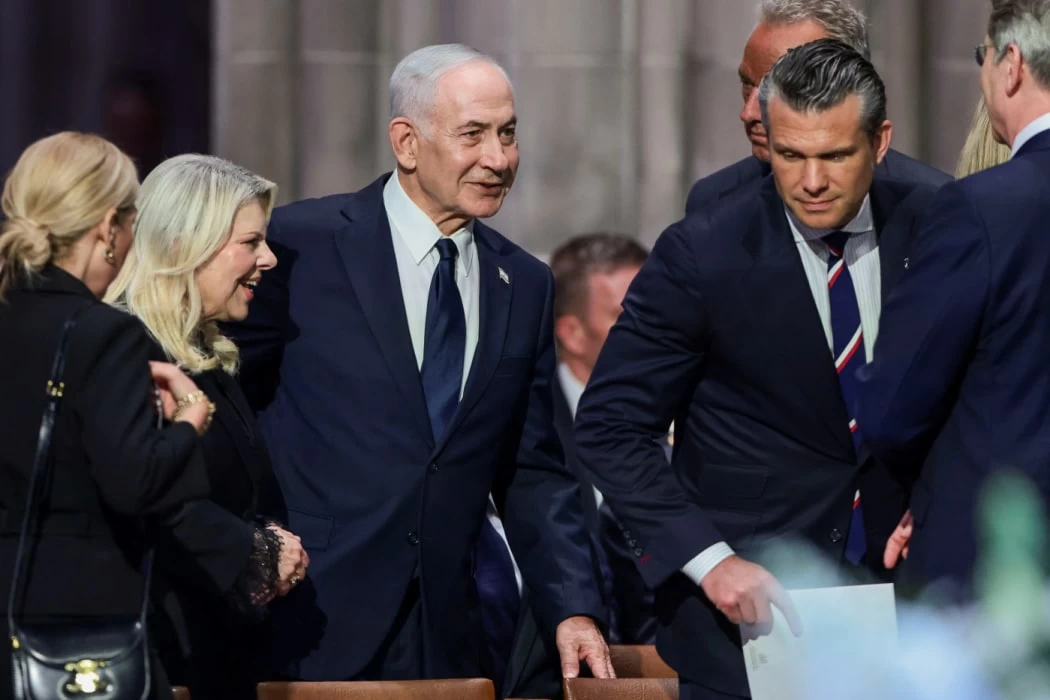
Trump and Netanyahu Prepare for a High-Stakes White House Meeting
One of the most closely watched diplomatic meetings of the year is set to take place Tuesday as President Donald Trump welcomes Israeli Prime Minister Benjamin Netanyahu to the White House.
The meeting comes at a pivotal moment. Fighting with Iran remains unresolved, tensions continue to ripple across the Middle East, and both leaders are navigating growing political challenges at home.
With regional security hanging in the balance, the outcome of the discussions could influence U.S. policy, Israel's military strategy, and future diplomatic efforts across the region.
Iran War Expected to Dominate the Agenda
The ongoing conflict with Iran is expected to be the centerpiece of the talks.
After nearly two weeks of U.S. airstrikes and Iranian retaliation targeting American interests and commercial shipping, Washington recently paused its bombing campaign to leave room for diplomacy.
Despite the temporary pause, neither side has signaled a lasting agreement, leaving uncertainty over whether negotiations can prevent another round of military escalation.
Trump and Netanyahu are expected to discuss possible next steps as intelligence agencies from both countries continue closely coordinating their assessments.
Lebanon Peace Deal and Abraham Accords Also on the Table
Beyond Iran, the leaders are expected to review progress toward a potential peace framework in Lebanon and efforts to expand the Abraham Accords, which normalized relations between Israel and several Arab nations.
Trump has repeatedly argued that expanding the accords remains one of his administration's top foreign policy priorities and has recently suggested Saudi Arabia's participation would represent a historic breakthrough for the region.
A Relationship Facing New Strains
Although Trump and Netanyahu have long described each other as close allies, recent disagreements have exposed cracks in the relationship.
Differences over U.S. military sales, the pace of the Iran campaign, and Israel's military operations in Lebanon have reportedly led to tense private discussions between the two leaders.
Still, both governments continue to emphasize their close strategic partnership and ongoing intelligence cooperation.
Growing Pressure at Home
The meeting also takes place as both leaders face increasing domestic scrutiny.
In Israel, public support for the prolonged conflict with Iran has weakened, while questions continue over the government's broader security strategy.
In the United States, lawmakers from both parties are debating the costs of continued military involvement in the Middle East, including concerns about American casualties, weapons stockpiles, and congressional oversight.
The White House has insisted that diplomacy remains the preferred path but continues to keep military options available if tensions escalate again.
Ukraine Also on Trump's Schedule
The diplomatic focus extends beyond the Middle East.
Trump is also expected to meet Ukrainian President Volodymyr Zelenskyy during the same day, highlighting the administration's effort to manage two major international security crises simultaneously.
The back-to-back meetings underscore Washington's increasingly complex foreign policy challenges as conflicts continue in both Europe and the Middle East.
Could This Meeting Shape the Next Phase of the Conflict?
Analysts say Tuesday's meeting may provide the clearest indication yet of how Washington intends to approach Iran in the coming weeks.
If diplomacy gains momentum, the current military pause could evolve into broader negotiations. If not, both countries appear prepared for another phase of confrontation.
With global markets closely watching developments and regional tensions remaining high, decisions made behind closed doors at the White House could have consequences far beyond Washington and Jerusalem.
Outlook
While officials have downplayed expectations of any immediate breakthrough, the Trump–Netanyahu meeting is widely viewed as one of the most consequential diplomatic engagements of the year.
As wars in the Middle East and Ukraine continue to reshape global security, investors, allies, and adversaries alike will be watching closely for signals that could define the next chapter of U.S. foreign policy.



Reader discussion
Comments 0
No comments yet. Be the first to join the conversation.