


U.S. Expands Military Campaign Against Iran
The United States launched another wave of military strikes against Iran overnight, marking the latest phase in an escalating conflict that continues to threaten key international shipping routes and global energy markets.
According to U.S. Central Command, the operation targeted military infrastructure linked to Iran's ability to disrupt commercial shipping in the Persian Gulf and surrounding waterways. Officials said the strikes were aimed at reducing risks to civilian vessels and restoring freedom of navigation in the region.
Explosions Reported Across Southern Iran
Iranian media reported explosions in several locations, including the strategic port city of Bandar Abbas, a major hub for military logistics and international trade.
Additional blasts were reported near Qeshm Island, an area known for Iran's naval facilities and drone capabilities, as well as other locations in southern Iran.
Local officials also reported casualties following missile strikes near Ahvaz, although independent verification of the figures was not immediately available.
Houthi Attacks Increase Pressure on Global Shipping
The latest U.S. operation followed claims by Yemen's Iran-backed Houthi movement that it had attacked two Saudi oil tankers in the Red Sea.
The attacks have intensified concerns over maritime security, particularly after the Houthis threatened to disrupt shipping through the Bab el-Mandeb Strait, one of the world's busiest trade corridors connecting the Red Sea to the Gulf of Aden.
Combined with ongoing instability around the Strait of Hormuz, the incidents have increased pressure on global supply chains and energy transportation.
Oil Prices Surge Above $100
Growing concerns over the security of critical shipping lanes pushed international oil prices sharply higher.
Brent crude climbed above $100 per barrel, reflecting market fears that prolonged disruptions could reduce global energy supplies and increase transportation costs.
Analysts warn that continued attacks on commercial shipping could place additional strain on international trade if alternative routes become limited.
Trump Warns Iran and Houthi Forces
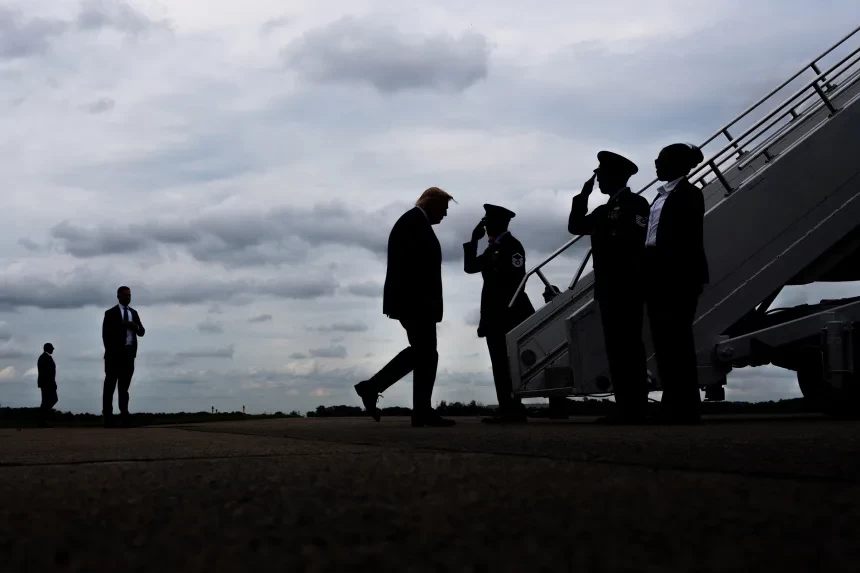
President Donald Trump issued a strong warning following the attacks on commercial vessels, saying additional assaults would trigger a significant U.S. response.
The administration continues to argue that Iran bears responsibility for the actions of the Houthi movement because of its longstanding military and political support for the group.
U.S. officials maintain that protecting international shipping remains a top priority as military operations continue.

Diplomatic Efforts Continue Amid Rising Tensions
While military activity intensified, diplomatic efforts remained underway.
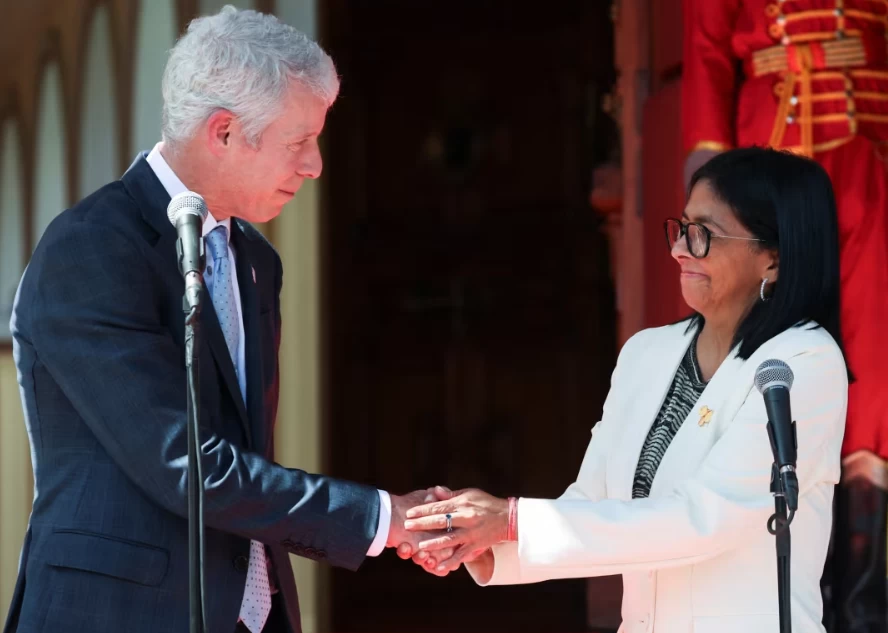
Iraqi Prime Minister Ali al-Zaidi visited Tehran to encourage dialogue and reduce the risk of further escalation. Iraq has maintained relationships with both Washington and Tehran and has sought to prevent the conflict from spreading across the region.
Despite those efforts, neither side has shown signs of backing away from its current position.
War of Words Escalates
Political rhetoric between Washington and Tehran has also become increasingly confrontational.
Iranian officials have vowed to respond proportionally to U.S. military operations, while senior American leaders warned that continued attacks on international shipping would result in additional military action.
The exchange reflects the growing risk that the conflict could expand beyond direct military strikes into broader regional instability.
Global Economic Impact
The conflict is increasingly affecting international markets as businesses monitor disruptions to two of the world's most important maritime chokepoints.
The Strait of Hormuz normally carries roughly one-fifth of global oil shipments, while the Bab el-Mandeb Strait serves as a critical gateway between Europe and Asia through the Suez Canal.
Any prolonged disruption to either route could increase shipping costs, delay deliveries, and place additional pressure on global inflation.
Outlook
With military operations continuing, shipping routes under threat, and diplomatic negotiations making little progress, the confrontation between the United States and Iran remains one of the most significant geopolitical risks facing global markets.
Investors, governments, and energy companies will be closely watching developments in the coming days as the situation continues to evolve.



Reader discussion
Comments 0
No comments yet. Be the first to join the conversation.