


America's Missile Shield Is Running Thin
For months, the focus has been on explosions over Iran and missile interceptions across the Middle East. Behind the scenes, however, another battle has been unfolding—one inside the Pentagon.
According to multiple officials familiar with recent military assessments, the United States has now used nearly 80% of its THAAD interceptor missiles, one of the country's most advanced air defense systems. At the same time, roughly half of the Patriot interceptor inventory has reportedly been consumed since the conflict with Iran intensified.
The figures have triggered growing concern among senior military leaders about how long the U.S. can sustain high-intensity operations if the conflict expands.
The Hidden Cost of Modern Warfare
Every missile launched to protect U.S. forces or intercept incoming threats comes at a price—not only financially, but strategically.
Officials say weeks of operations under Operation Epic Fury have rapidly depleted inventories of some of America's most valuable precision-guided weapons. Beyond THAAD and Patriot systems, the military has also consumed large numbers of Tomahawk cruise missiles, ATACMS, and the newer Precision Strike Missile (PrSM).
Military planners are now balancing current battlefield demands against the possibility of future crises elsewhere in the world.
A Key Reason Trump Pulled Back
The shrinking stockpile reportedly became a major topic during recent White House discussions.
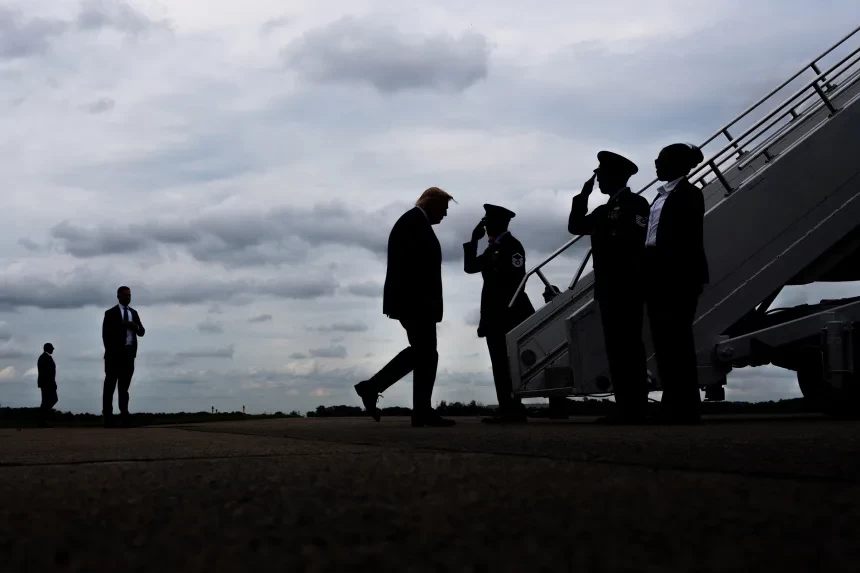
As President Donald Trump considered expanding military operations against Iran, senior advisers warned that continuing large-scale strikes could weaken America's ability to respond to future threats.
Those warnings, combined with concerns from Gulf allies about possible Iranian retaliation against regional energy infrastructure, contributed to the administration's decision to postpone planned weekend strikes.
While military action remains an option, officials say preserving critical defensive capabilities has become an increasingly important consideration.
Why THAAD Matters
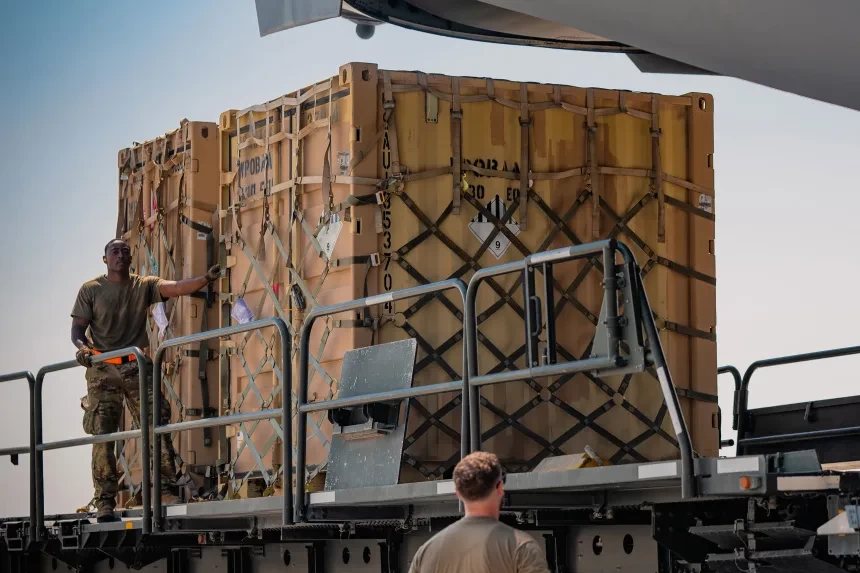
The Terminal High Altitude Area Defense (THAAD) system is designed to intercept ballistic missiles during the final phase of flight, providing one of the strongest layers of protection for U.S. forces and allied nations.
Unlike conventional missiles, THAAD interceptors require sophisticated manufacturing and cannot be quickly replaced.
Defense analysts estimate rebuilding inventories to pre-war levels could take several years, even if production continues at an accelerated pace.
A Challenge Beyond the Middle East
The implications extend well beyond the current conflict.
Defense experts warn that lower inventories could complicate America's response to potential crises involving China, Russia, or North Korea, where missile defense would play a critical role.
Military planners must now consider how to preserve limited resources while maintaining commitments across multiple regions simultaneously.
The concern is no longer simply about today's battlefield—but tomorrow's.
Can Production Keep Up?
The Pentagon has already moved to expand missile production, signing new contracts aimed at increasing manufacturing capacity for both THAAD and Patriot systems.
However, advanced missile systems require specialized components, highly skilled labor, and lengthy production timelines.
Even under accelerated schedules, analysts believe restoring inventories will take years rather than months.
In the meantime, commanders may face increasingly difficult decisions about when—and where—to deploy some of America's most valuable defensive weapons.
A War That's Testing More Than Strategy
The conflict with Iran is no longer measured only by military victories or diplomatic negotiations. It is also exposing the logistical realities behind modern warfare.
Every intercepted missile reduces the inventory available for the next crisis, forcing policymakers to weigh immediate battlefield success against long-term national security.
As tensions remain high and negotiations continue without a lasting agreement, the question confronting Washington is becoming increasingly urgent: How long can the United States sustain this pace without compromising its broader military readiness?




Reader discussion
Comments 0
No comments yet. Be the first to join the conversation.